Concrete Patio Cost Calculator for Amarillo, TX
Dimensions, finish and thickness, with base preparation in the number rather than assuming perfect ground on soils that open half-metre cracks.
No obligation. Every estimate starts at the house, looking at the slab, the wall you would attach to and where the afternoon sun actually lands.
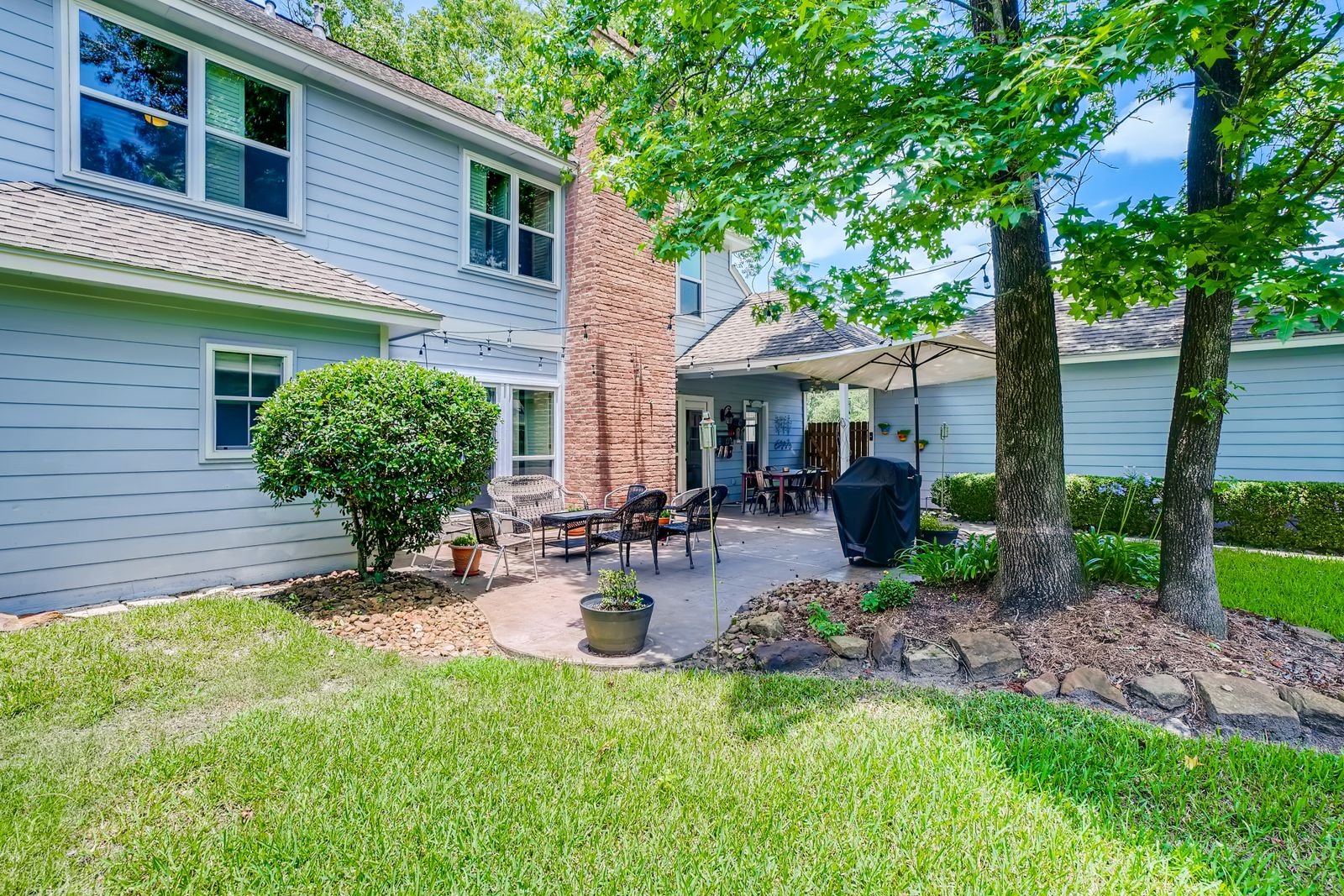 Concrete patio · illustrative
Calculator
Price a slab or an extension
Set the dimensions, the finish and the thickness. Base preparation is in the number, because on Panhandle clay it is not an optional extra.
These are planning estimates, not quotes. Every figure comes from published installed cost bands adjusted for this market. A calculator cannot see your ground, your wall, your access or your drawings. Treat the range as a way to decide whether a project is worth pursuing, not as a price.
Why these numbers
What you are actually paying for is the part you cannot see
Plain concrete is published at $4 to $12 / sq ft and stamped at $9 to $30 / sq ft. Those bands are easy to look up and they describe the finish, which is the part of a slab least likely to fail.
What fails is the base. Pullman clay runs 35 to 50 percent clay, linear extensibility 6 to 9 cm in the top metre, cracks open through the upper horizons when dry. Sherm runs 38 to 48 percent clay, linear extensibility 7 to 9 cm, surface cracks over 50 cm deep when dry. Ground that moves that much wants topsoil stripped, base material imported and compacted in layers, reinforcement at the right height in the slab rather than lying on the dirt, and a joint layout drawn before the pour.
So this calculator keeps base preparation in the price rather than presenting a suspiciously low per-square-foot figure and letting it appear later. The 2017 Panhandle Residential Foundation Manual treats any soil with a weighted plasticity index above 15 as expansive.
Curing is the other invisible cost. Wind at a mean of 12.9 mph, 146 a year clear days a year and low humidity pull water out of a fresh surface fast, and a surface that dries before it cures is weak and dusts. Curing is not optional here and it is the corner most often cut on a cheap price.
Installed bands from published national cost guides. The calculators multiply them once by the the Craftsman 2026 National Building Cost Manual area factor, which puts this market 10 percent below the national average, then add the permit, engineering and any new concrete as separate lines.
Cost factors
What moves the number most
Thickness
Four inches for foot traffic and furniture. Five with reinforcement where a vehicle may cross it or where the clay is one of the higher shrink and swell series.
Base preparation
Strip the topsoil, import and compact a base in layers. This is what decides whether the joints stay tight, and it is invisible in the finished job.
Finish
Broom is inexpensive, grippy and easy to repair invisibly. Stamped is a surface treatment on the same structural slab, needs resealing, and shows a repair.
Access
How close a truck can get. On a tight lot with a long pump run, placement costs more than the concrete does.
What goes in first
Gas sleeve, conduit and post footings for a future cover cost very little now and mean saw cutting later.
Extension versus new pour
Extending a sound slab is cheaper than replacing it, provided the joint between old and new is designed as a joint rather than pretended away.
Next step
Price the slab before you price the roof
If a cover is coming later, the footings and the conduit go in with the pour. That is the cheapest piece of foresight in the whole project.
Questions
About these costs
Is base preparation really worth paying for?
It is the part that decides whether the slab is still flat in five years. Pullman clay around here runs 35 to 50 percent clay, linear extensibility 6 to 9 cm in the top metre, cracks open through the upper horizons when dry, and Sherm is worse.
A stamped slab on a poorly prepared base cracks exactly like a broom finished one, and the crack is more obvious because it interrupts a pattern. Preparation is the cheaper half of the job and the half that matters.
Will the concrete crack?
Yes. All concrete cracks. The work is in deciding where. Control joints are cut or tooled at a spacing set by the slab thickness so shrinkage relieves itself along a line you chose.
The 2017 Panhandle Residential Foundation Manual treats any soil with a weighted plasticity index above 15 as expansive. That is why the joint layout gets drawn before the pour rather than decided with a saw afterwards.
Can I extend my existing patio instead?
Often, and it is cheaper than replacing. The part that goes wrong is the joint. Old concrete has finished shrinking and new concrete has not, so the two must be doweled for level but free to move along the joint.
Accept visibly that there is a line there. The new concrete will not match the old, and a texture change or a border reads as intentional where a failed match reads as a repair.
Do I need a permit for flatwork?
It varies by jurisdiction and by scope. Inside Amarillo we confirm with Building Safety for the specific job, because a patio poured with post footings for a future cover is a different application from a plain slab.
Outside city limits there is no county building permit. Texas counties have no general authority to adopt or enforce a residential building code.
Get it real
A range is a start. A walkthrough is the answer.
Send the address, what your exterior wall is made of and a photo of the patio. That is where a range becomes a scope.